Enterprise Omnichannel
Unify cross-channel order flow into a single-inventory-pool model. The system automatically allocates B2B and B2C stock to maximize operational efficiency in hybrid setups.
For:Mid-to-large enterprises with hybrid B2B + B2C channels

Designed for mid-to-large enterprises running wholesale (B2B) and retail (B2C) channels together. Solves the mix of bulk-case shipments and scattered orders, multi-unit conversion, and ERP / logistics-system disconnects — single-pool inventory across every channel.
Sound familiar?
Tangled B2B + B2C allocation
Established enterprises that used to supply only major channels are now running multiple online channels through O2O. Bulk B2B shipments interleave with scattered B2C orders, making stock allocation extremely chaotic.
Unit-level conversion headaches
Legacy systems can't simultaneously handle pallet-out, case-out, and piece-out conversion. When ecommerce demands case-breaking, warehouse operations and bookkeeping frequently fall out of sync.
Veteran staff resist digital transformation
Established brands often have long-tenured staff with low tolerance for complex systems. If operations aren't intuitive, digital transformation stalls at the floor-execution layer.
ERP integration and customization gridlock
The existing ERP can't meet logistics realities yet still requires precise data integration. Off-the-shelf WMS products tend to be too rigid for enterprise-specific workflows.
Our solutions
Flexible multi-tier case-breaking
Full support for pallet / case / piece three-tier units. Whether receiving by pallet or shipping by piece, the system converts precisely and keeps floor-level data fully reconcilable.
Omnichannel single-pool inventory
Erase the B2B/B2C boundary by treating inventory as a unified resource pool. The system allocates by channel priority and lifts asset turnover.
Minimal UI for veteran staff
Operating UI optimized for veteran staff — graphical guidance lowers the learning curve so even long-standing teams can adopt the digital SOP smoothly.
Project-based integration capability
Standard modules out of the box, plus project-based engagements for enterprise rollouts. Whether it's ERP integration or workflow-specific customization, we deliver precisely.
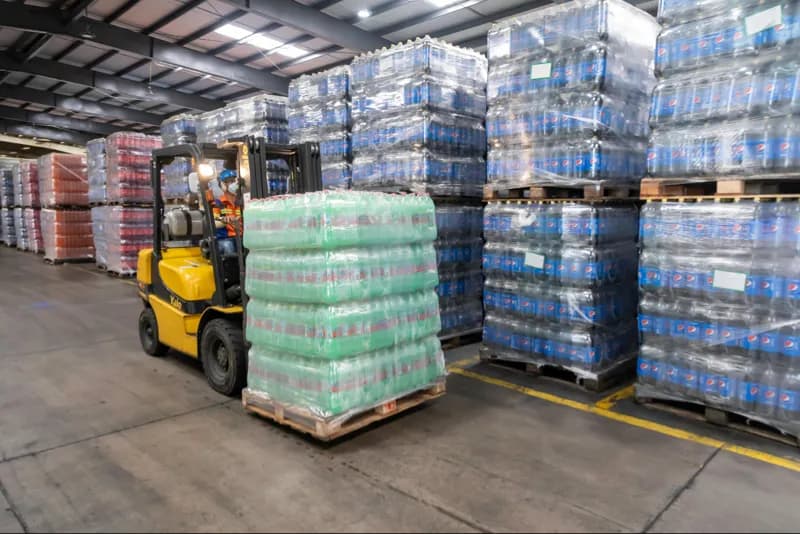
Customer story
Brand S is a snack-food powerhouse that has accompanied generations of Taiwanese. As its channel mix shifted from pure wholesale to a hybrid O2O model, the team faced a serious challenge: veteran staff trained for pallet-out work suddenly had to handle scattered ecommerce orders. Worse, major chain channels are extraordinarily strict about expiry-date compliance for food & biotech products — one wrong lot, and the whole truck gets sent back, racking up freight and scrap losses.
To protect that flagship brand, they adopted flexible multi-tier receiving and tied the floor workflow tightly to lot & expiry management. Now when seasoned plant staff operate the mobile app, the system identifies which channel each order is destined for and routes the staffer to the storage location holding the compliant lot. The transformation didn't just untangle hybrid B2B/B2C shipping — it let the established enterprise keep its digital competitiveness while honoring its strict quality and expiry commitments.