Brand Growth
Move past Excel and verbal handoffs — set up your first international-grade shipping SOP. Solve overselling and stabilize your brand reputation.
For:Fast-growing D2C brands & startups
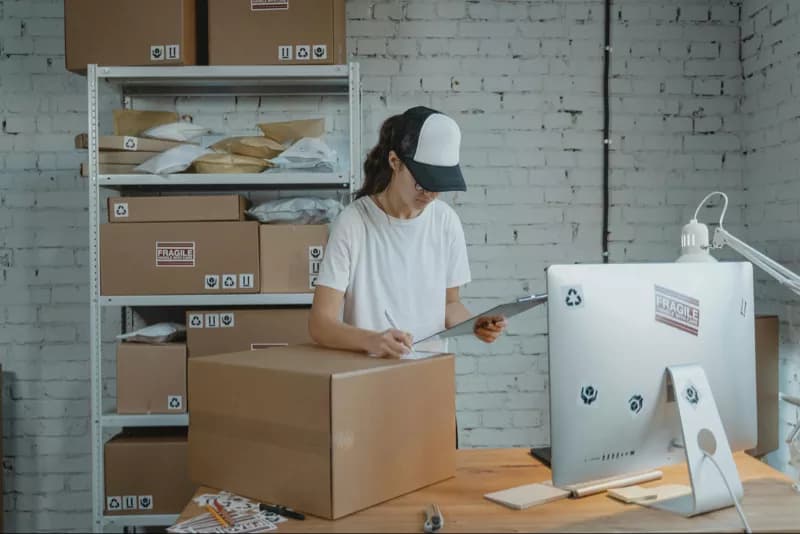
Designed for D2C ecommerce brands shipping 50–500 orders per day. Solves fragmented multi-channel orders, manual reconciliation errors, and chaotic shipping-label workflows — common startup-stage pain points — so small teams can run a warehouse on systematic process.
Sound familiar?
Fragmented multi-platform orders
Running your own site, Shopee, MOMO, and more at once — order sources scatter, and you have to manually download and merge reports. Time-consuming and easy to miss orders.
Label-mismatch risk
The traditional flow prints labels first and matches goods later. During peak shipping, finding the right label among a pile leads to 'Item A shipped to Customer B' errors.
High standardization barrier
Small teams lack a professional logistics background and have no operating SOP to follow. Work depends on individual memory, and new hires take ages to onboard.
Scattered shipping paperwork
Different carriers use different label formats. Manual matching burns staff hours on clerical reconciliation instead of core shipping work.
Our solutions
Smart omnichannel order hub
Connect every marketplace via system APIs to route all orders into one unified management interface — real-time omnichannel visibility with live inventory tracking.
Live QC labeling
At the moment of QC verification, the system confirms the item and drives the label printer to produce the matching shipping label — a guaranteed one-to-one match between goods and label.
Affordable, high-performance digital transformation
With the mobile app, a single phone delivers digital barcode scanning and guides staff through every standardized step. No expensive hardware required.
Logistics integration ecosystem
One-click integration with major carriers (such as 7-11 PickUp) — auto-generate unified-format documents to simplify administrative work.
Customer story
Brand U made its name in precision hair clippers, with orders flowing across every major marketplace. To tighten the link between its manufacturing plant and shipping, the team chose to bring logistics in-house — then used omnichannel order automation to consolidate every fragmented source, keeping data precise across cross-site allocation for daily-life SKUs. They proved that going in-house doesn't mean sacrificing professional system convenience; instead, it earned them more operational autonomy.
After rollout, in-house warehouses now match a 3PL's efficiency. With the mobile app's mobile-first operation and live QC labeling's endpoint error-proofing, the plant side enjoys top-tier digital convenience — shipping prep finishes the moment QC clears. The transformation lets Brand U retain logistics autonomy while still enjoying state-of-the-art WMS support, truly realizing the 'self-operated equals professional' modern warehousing standard.